
Imagine Peru
Where the Andes hold every horizon.
From Cusco and the Sacred Valley to Machu Picchu, Peru is a place for moving slowly, looking closely, and feeling wonderfully small.
Peru rewards curiosity: mountain trails, living Inca towns, ancient stonework, colorful markets, and a railway that turns the journey into part of the arrival. This is a country made for stories that stay with you.
The Sacred Valley
A valley shaped by time, water, and human hands.
Between Cusco and Machu Picchu, the Urubamba Valley unfolds through terraced hillsides, salt pans, villages, and remarkably enduring Inca engineering.
The living Inca town
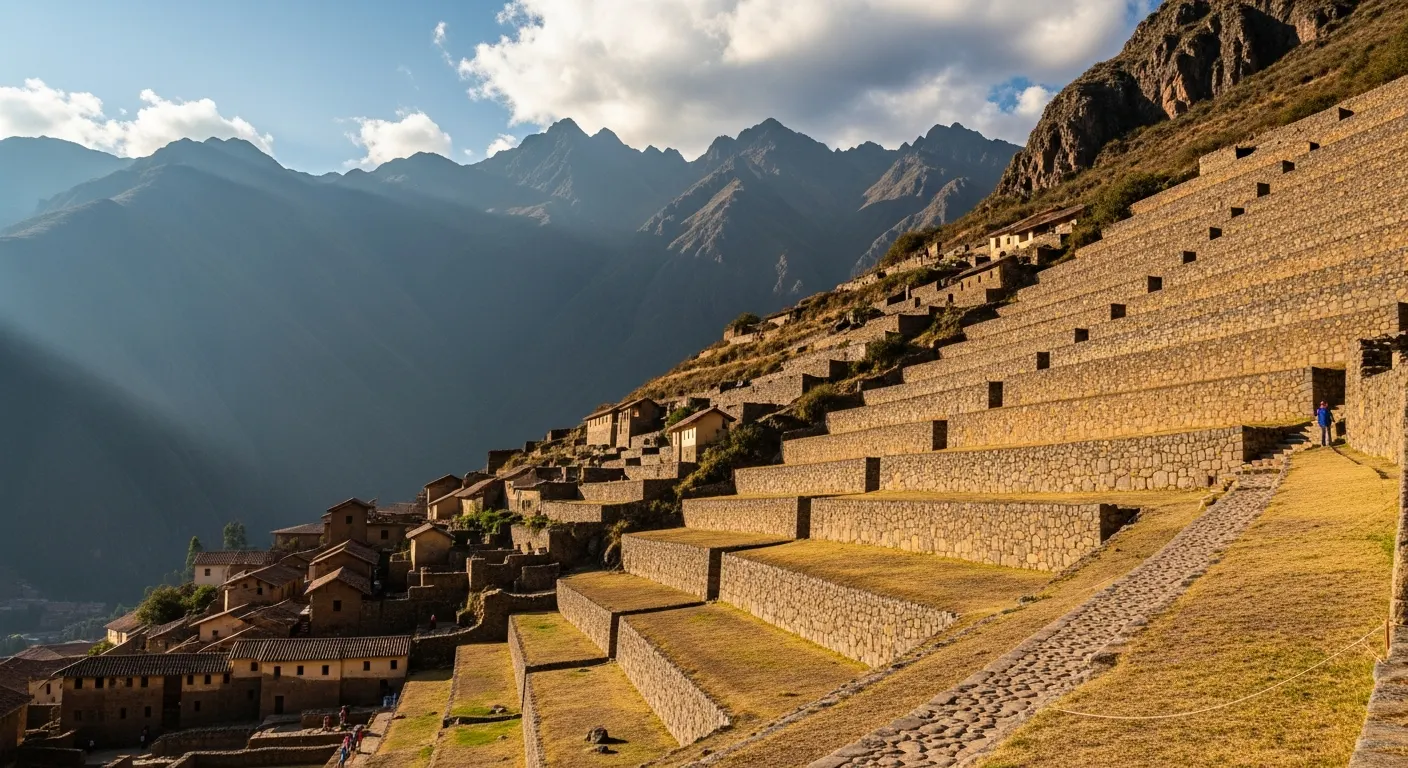
Ollantaytambo
9,200 ftOllantaytambo feels lived in rather than preserved. Water still runs through narrow channels, and the town’s original street plan leads to a fortress of monumental terraces and finely cut stone.
Climb toward the Temple of the Sun for views across the valley, then linger below, where cafés, workshops, and homes sit within a place that has welcomed travelers for centuries.
Salt pans and circular terraces
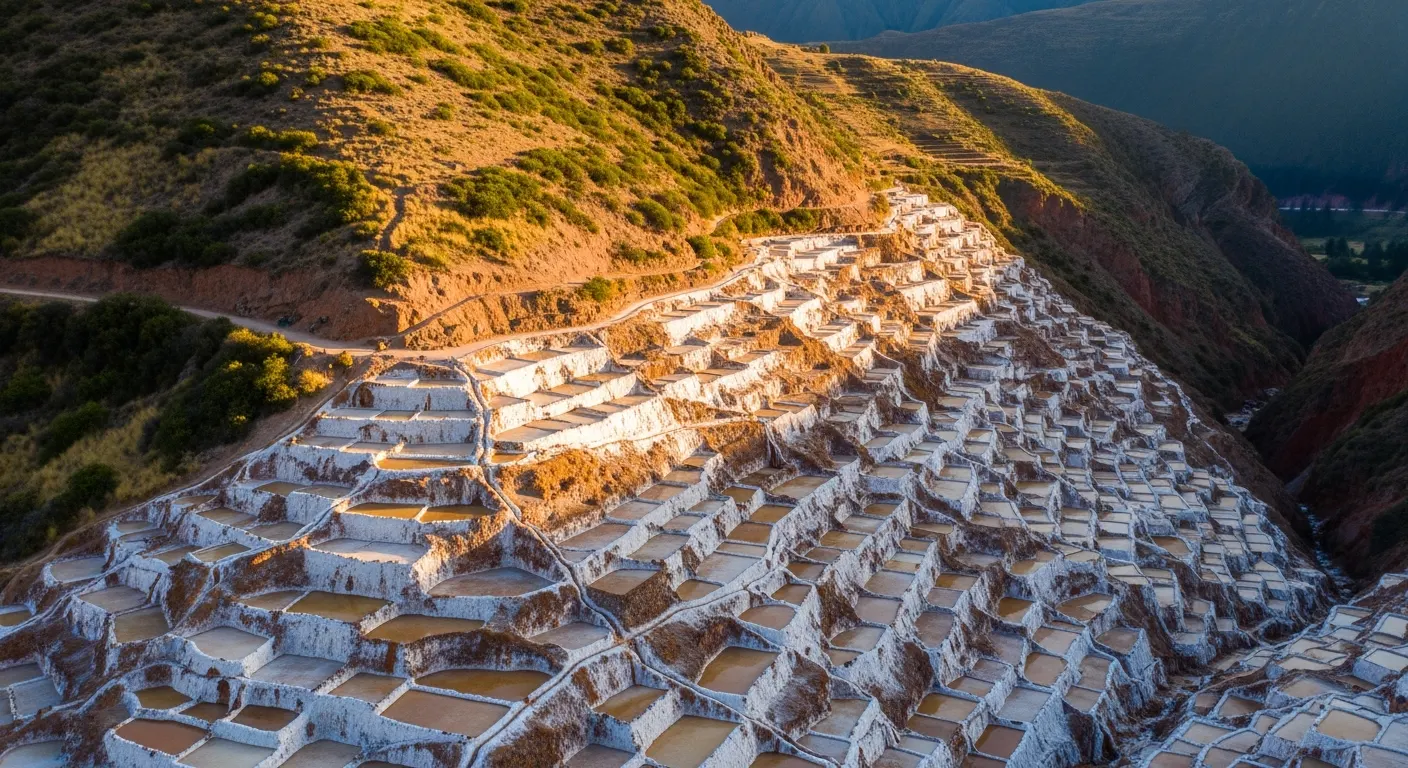
Maras & Moray
At Maras, thousands of shallow salt pools step down a mountainside in shades of white, blush, and ochre. The salt is still harvested by local families, one small basin at a time.
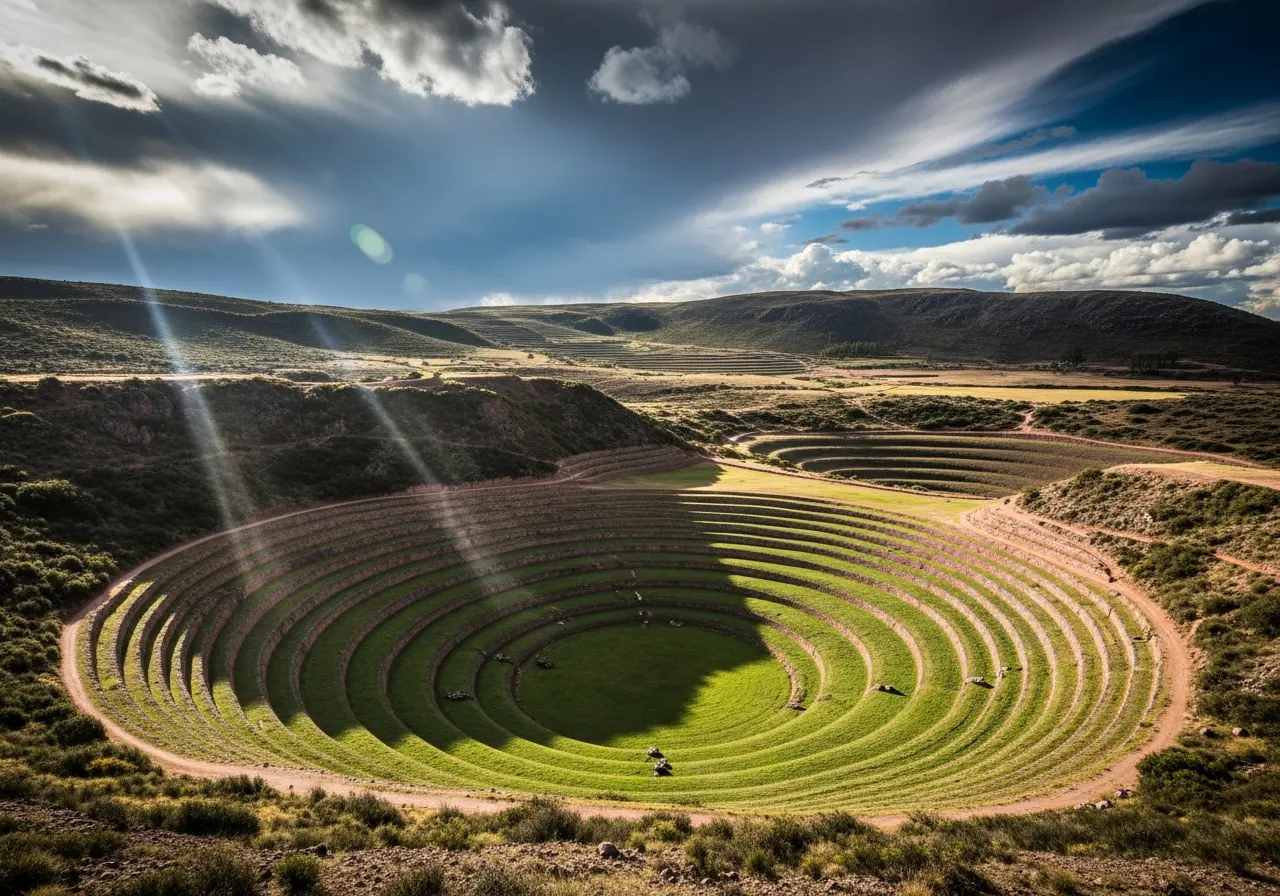
Nearby, Moray’s concentric terraces create a striking amphitheater in the earth. Their changing temperatures and exposures speak to the agricultural knowledge that made this high valley flourish.
A landscape of experimentation
The circles of Moray
Stand at Moray’s rim and each level looks like a different shade of green. The site’s layered design creates a microclimate from terrace to terrace, inviting a closer look at how the Incas adapted crops to altitude.
It is one of the Sacred Valley’s most photogenic stops—and one of its most thought-provoking.
Icons of the Andes
Ancient cities, bright mountains, and paths through the clouds.
The places that make Peru instantly recognizable have a way of becoming personal once you arrive.
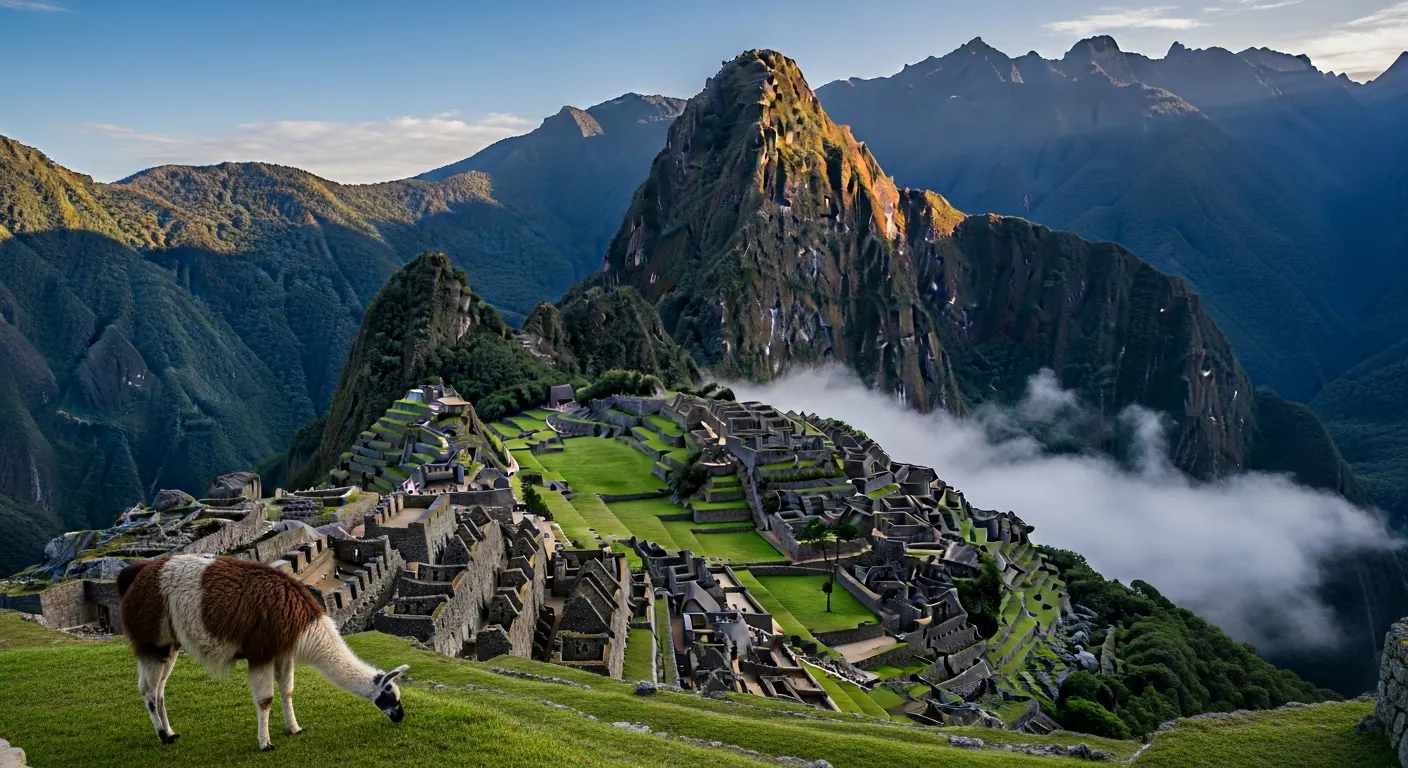
The Lost City of the Incas
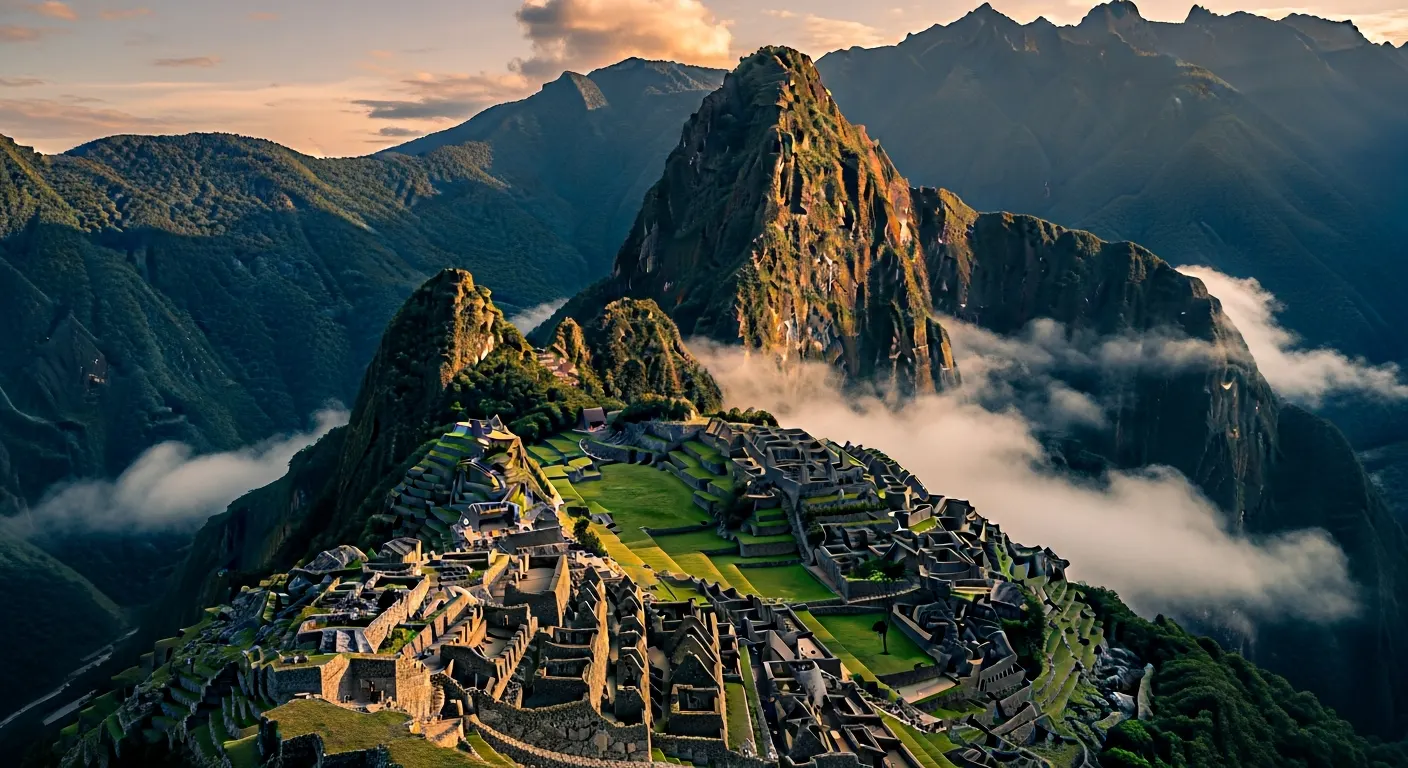
Machu Picchu
7,972 ftMachu Picchu reveals itself gradually: the river far below, cloud forest pressing in, and a stone city balanced between mountain peaks. It is an extraordinary setting for a guided walk through temples, terraces, and astronomical alignments.
Arrive early, linger when the light changes, and let the scale of the place do the talking.
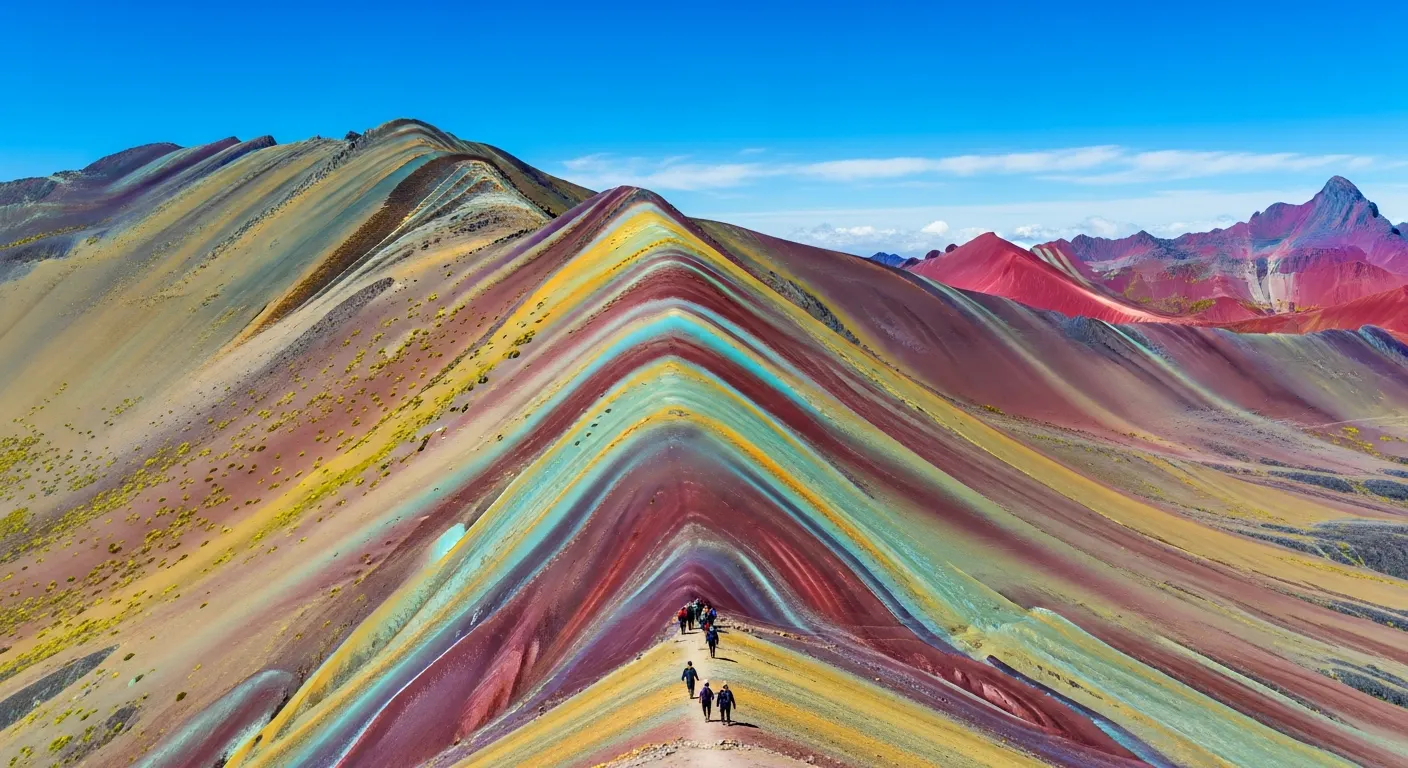
High Andes color
Rainbow Mountain
17,060 ftVinicunca’s bands of mineral color sweep across a high-altitude ridge where the air is thin and the horizon seems limitless. The experience is as much about the approach as the view: broad valleys, grazing alpaca, and the drama of the Andes at full scale.
A thoughtfully paced day makes room to acclimate, take in the landscape, and enjoy the remarkable sense of arrival.
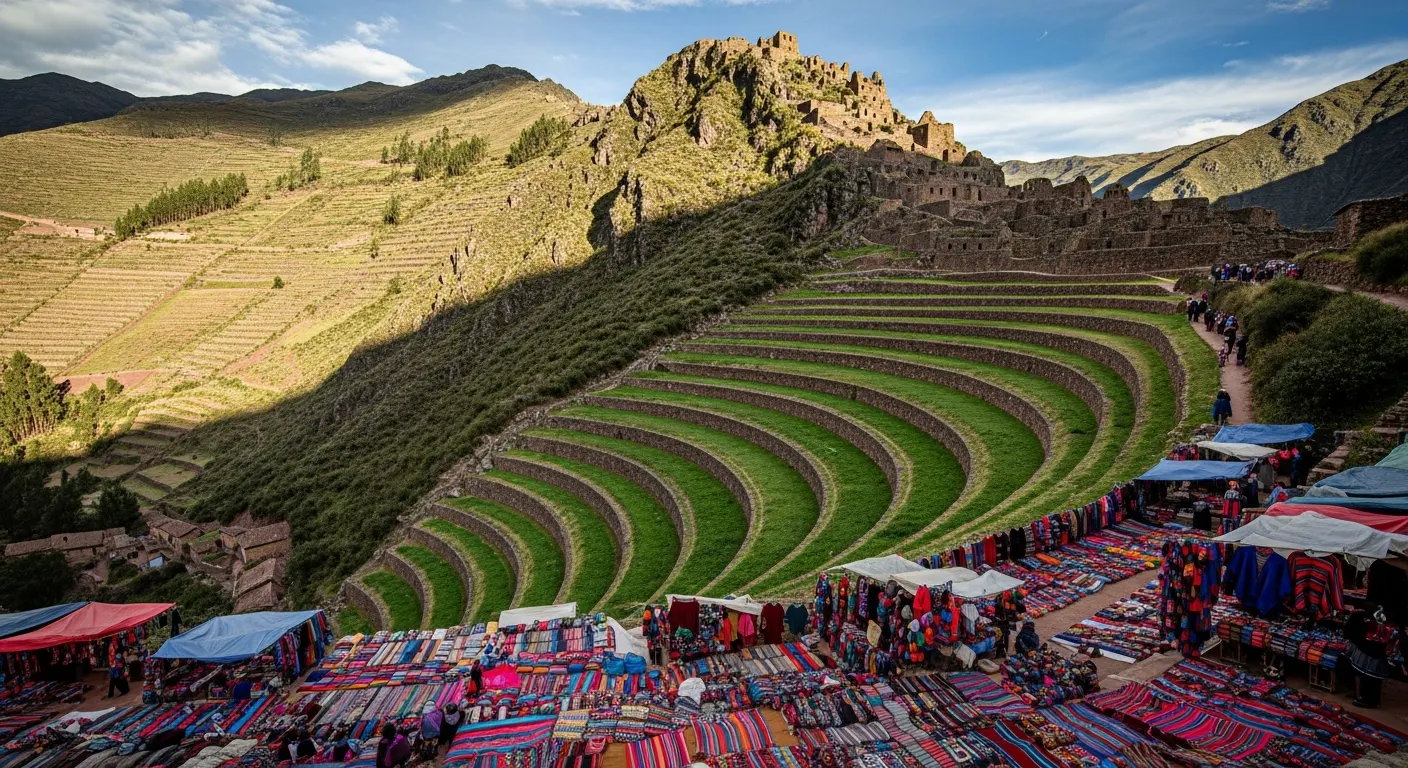
Terraces and a living market
Pisac
Pisac combines a lively Andean market with a hillside citadel whose agricultural terraces sweep down toward the valley. Wander between textiles and ceramics in town, then climb into the stillness of the archaeological site above.
The contrast is part of the appeal: everyday valley life and extraordinary Inca planning, only a short distance apart.
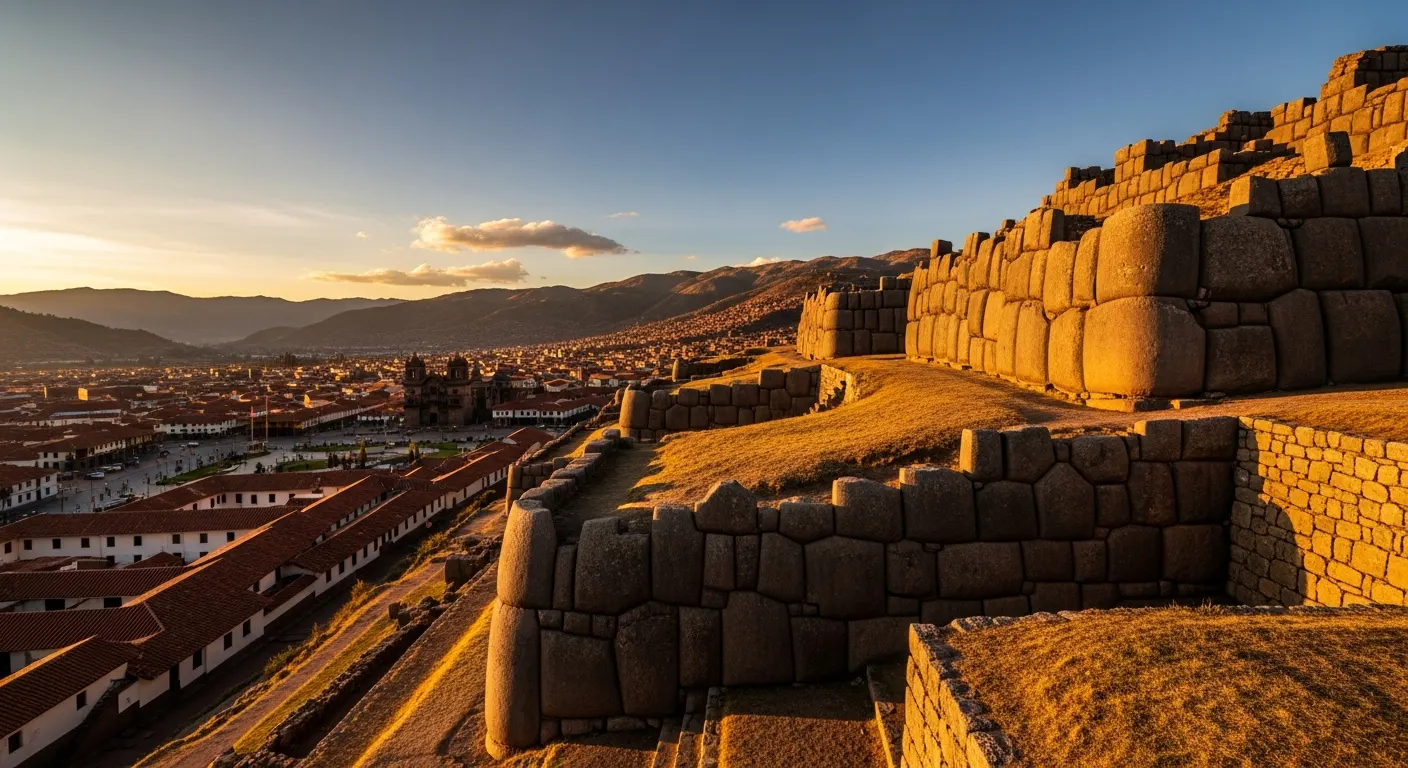
The Inca capital
Cusco & Saqsaywaman
In Cusco, Inca foundations meet colonial plazas, galleries, and a dining scene that rewards an unhurried evening. The city’s layers reveal themselves block by block.
Above it, Saqsaywaman’s immense zigzagging walls are a masterclass in Inca stonework. Together, the city and fortress show Peru’s past and present in the same frame.
Choose your own pace
Six ways to meet the Sacred Valley.
A great Peru journey has room for wonder and movement—whether that means a gentle ride through the countryside or a full day on the river, rock, or trail.
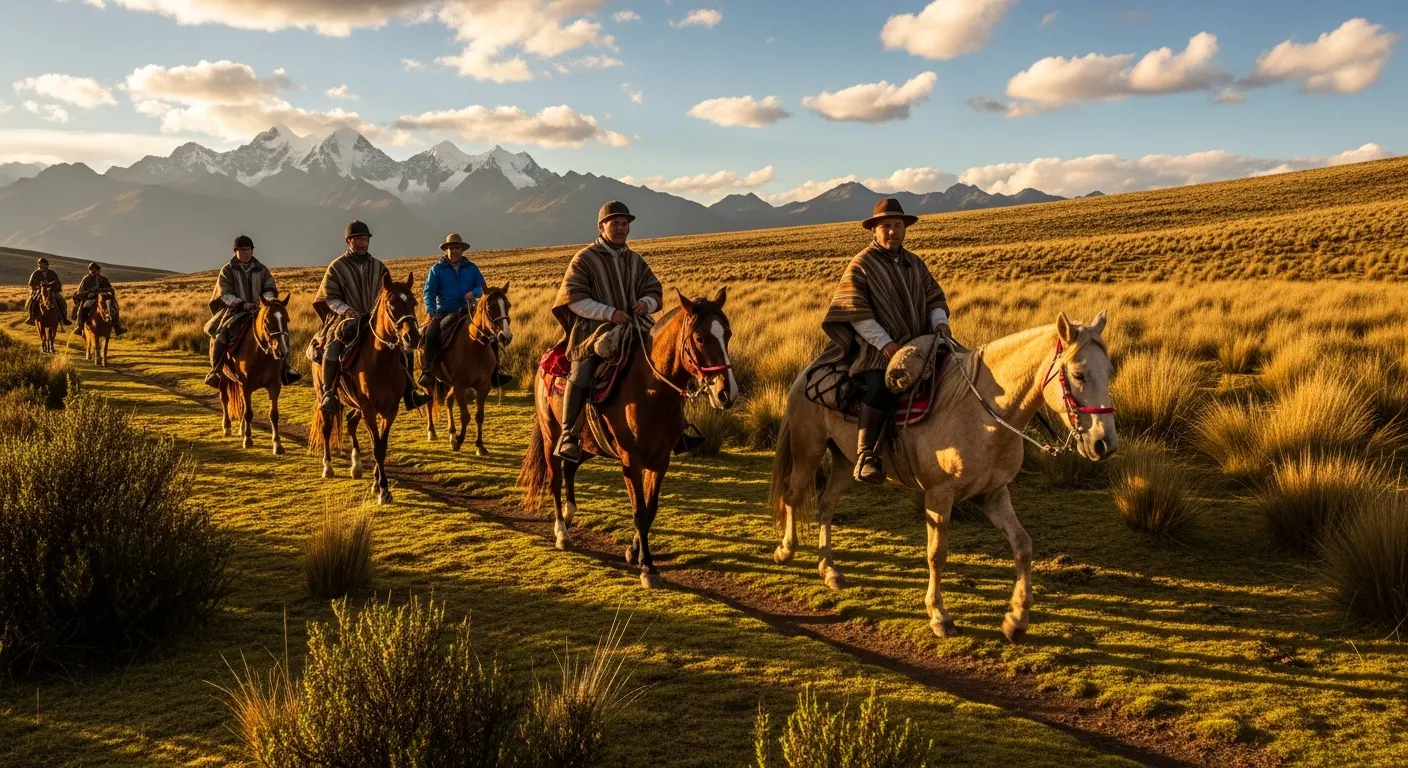
A graceful valley ride
Peruvian Paso horseback riding
The Peruvian Paso is known for its remarkably smooth, distinctive gait. A guided ride through the Sacred Valley offers an unhurried way to take in fields, mountains, and wide-open Andean skies.
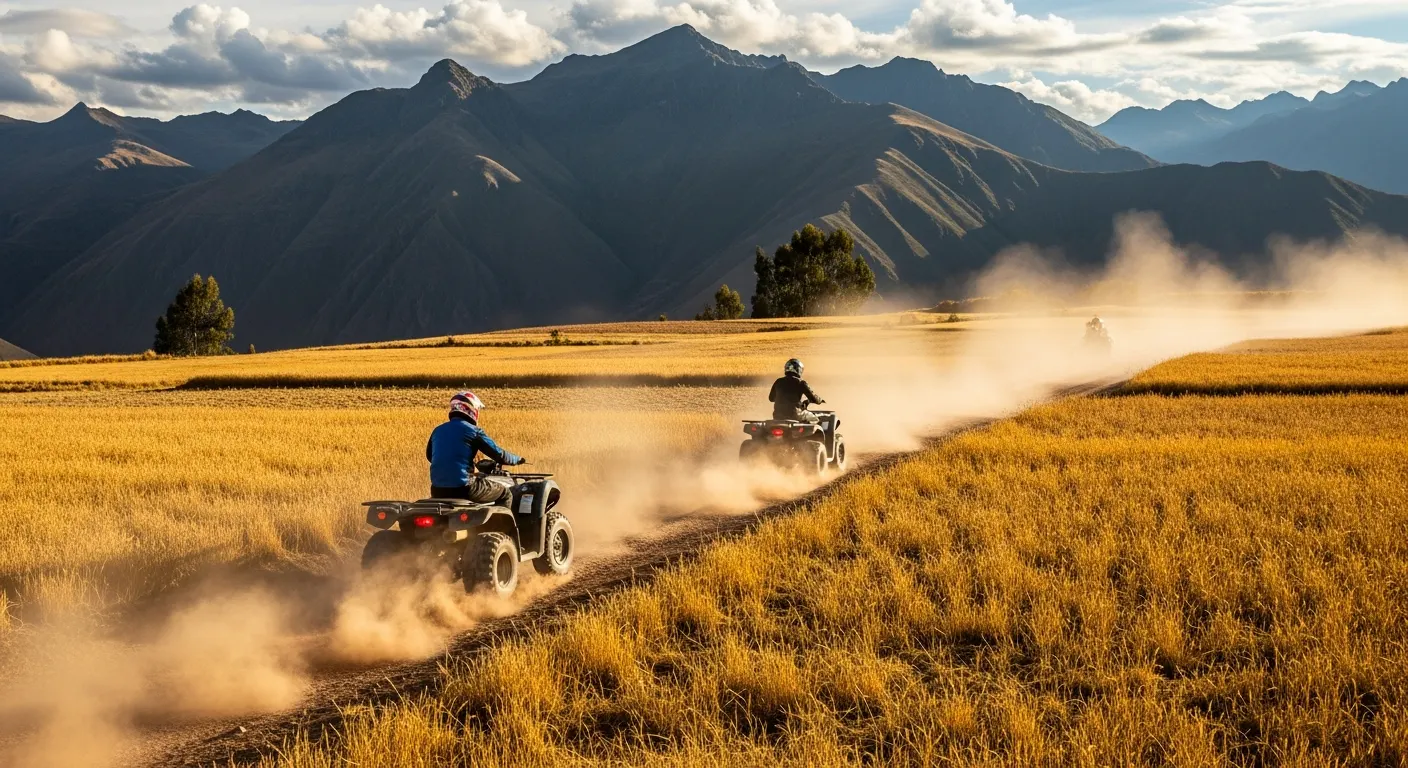
For the adventurous
Sacred Valley ATV exploration
For travelers who prefer a little momentum, an ATV route opens up rural tracks, wide views, and a more energetic perspective on the valley’s dramatic terrain.
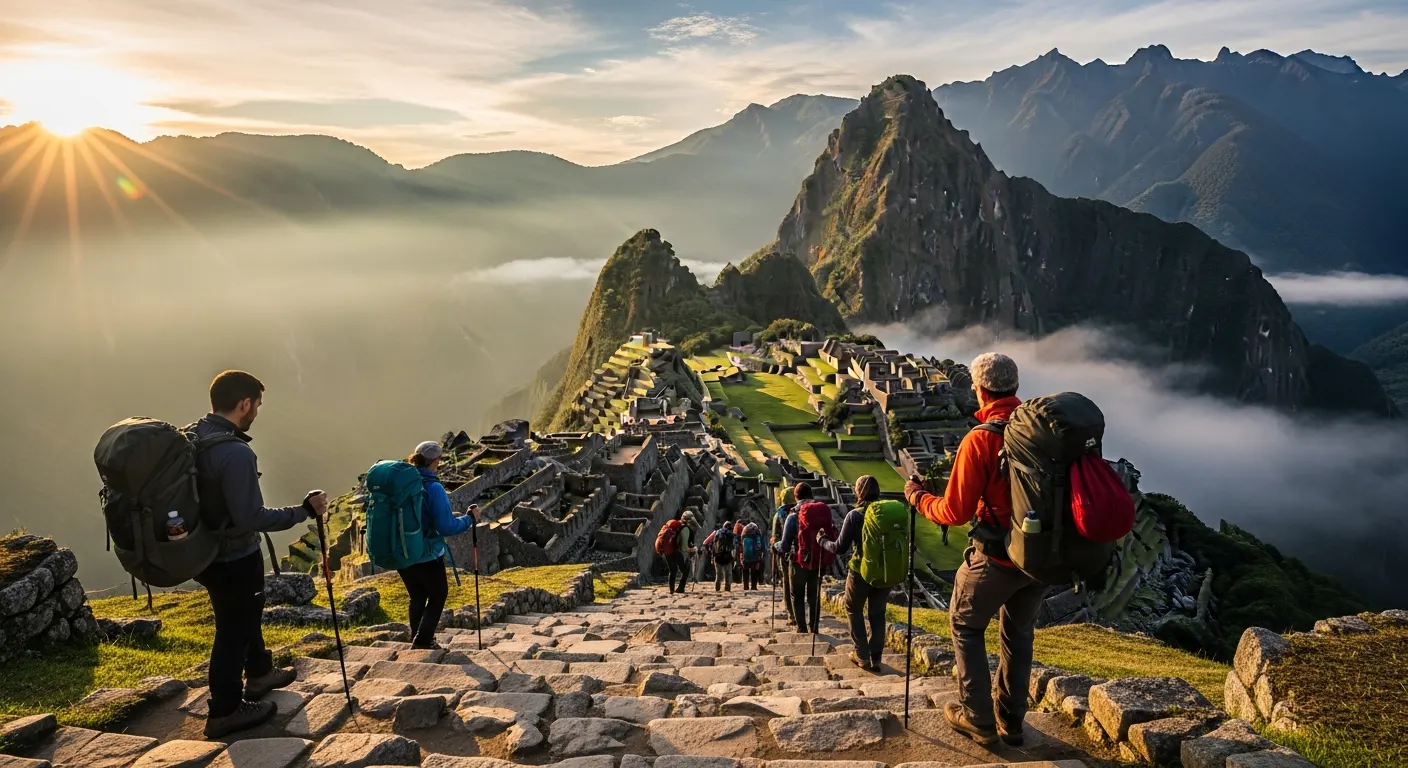
The original approach
The Inca Trail
Walking the Inca Trail brings the landscape into focus one stone step at a time. With expert guides and a thoughtful pace, the route’s cloud forest, mountain passes, and archaeological sites become part of the destination.
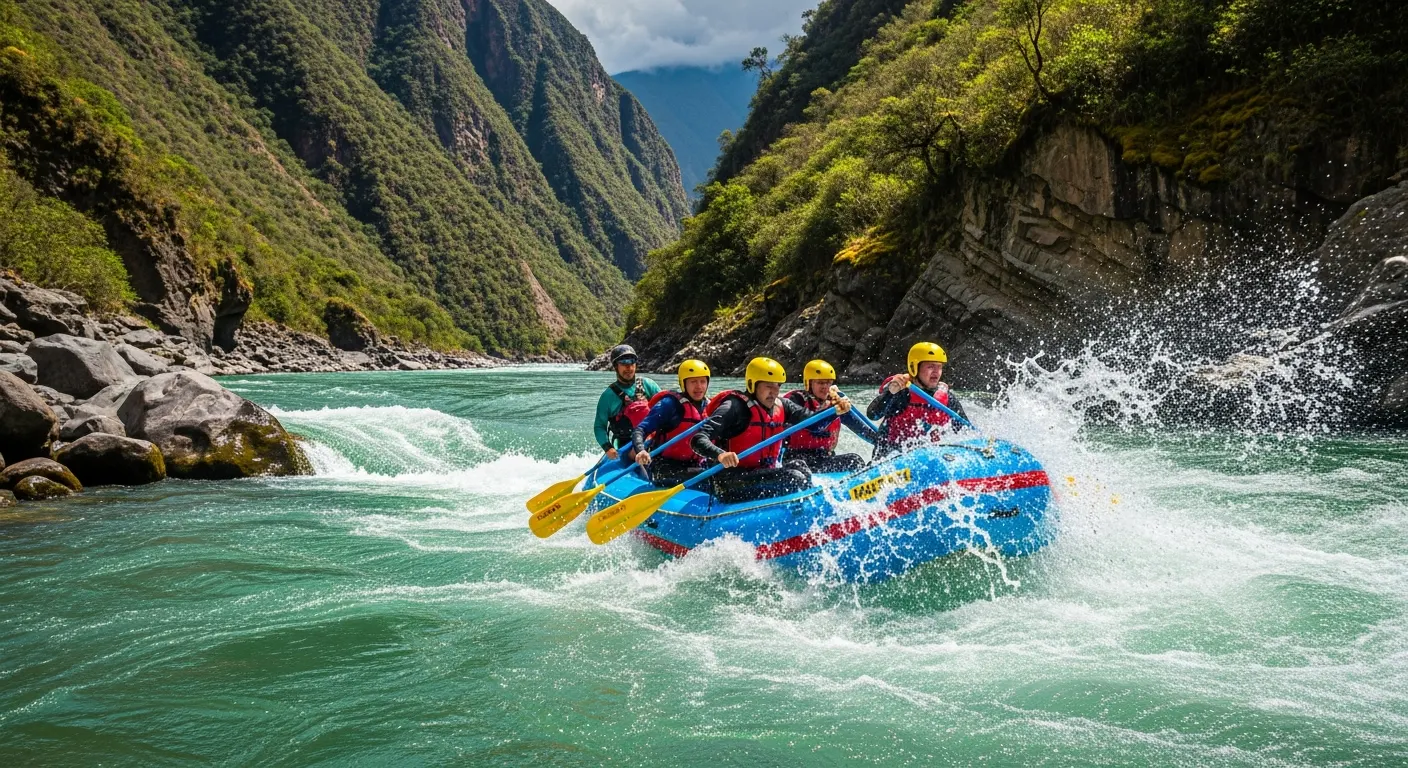
Mountain water
Urubamba River rafting
Rafting the Urubamba adds a playful, water-level view of the Sacred Valley. Rapids, calm stretches, and canyon scenery make it a memorable choice for travelers ready to get closer to the river.
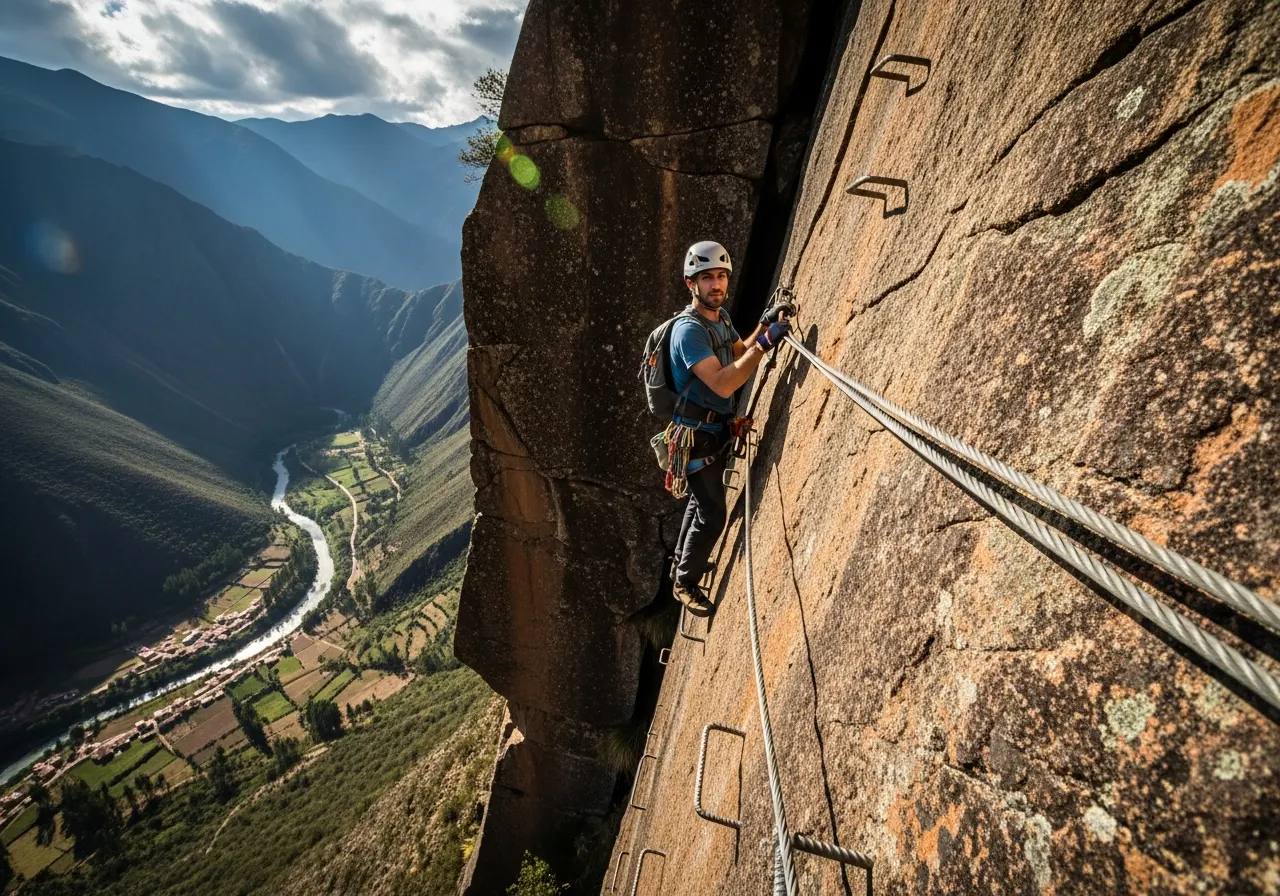
A vertical point of view
Via ferrata
A protected climbing route turns the valley into an open-air balcony. Secured cables and fixed rungs make for an exhilarating ascent, followed by panoramic views that reward every step.
A high-altitude finish
Rainbow Mountain hiking
For hikers, the path to Rainbow Mountain is a chance to walk within one of Peru’s most surreal landscapes. Proper acclimatization and a flexible pace keep the focus where it belongs: on the trail and the view.
The journey is part of the destination
Three ways to arrive by rail.
The route to Machu Picchu follows the Urubamba River through the Sacred Valley. Each train brings a different rhythm to one of the world’s most scenic rail journeys.
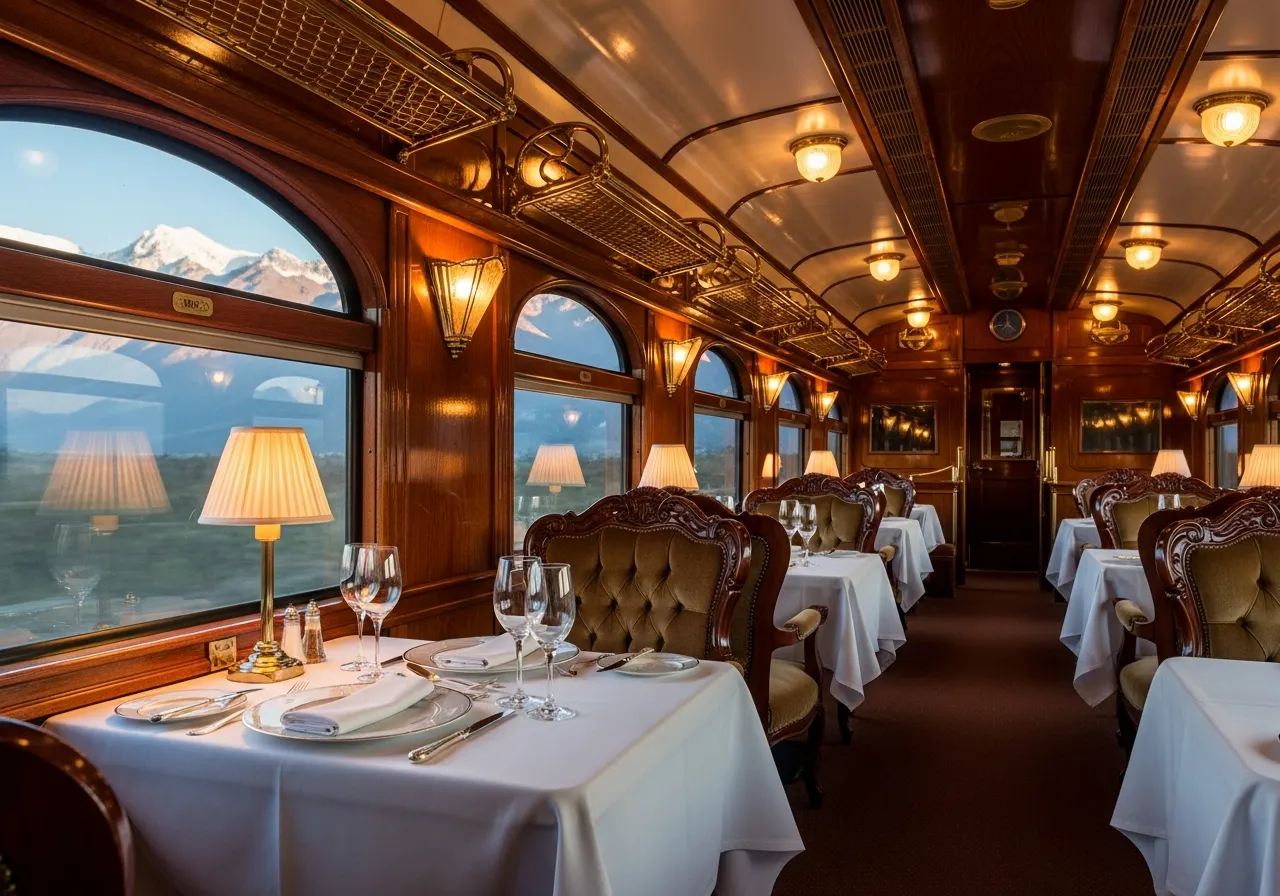 Belmond
Hiram Bingham
A polished, all-day celebration of the route.
- Classic Pullman-inspired carriages with dining, bar, and observation spaces
- A refined, hosted rail experience with Peruvian flavors and live music
- For travelers who want the train journey to feel as memorable as the citadel
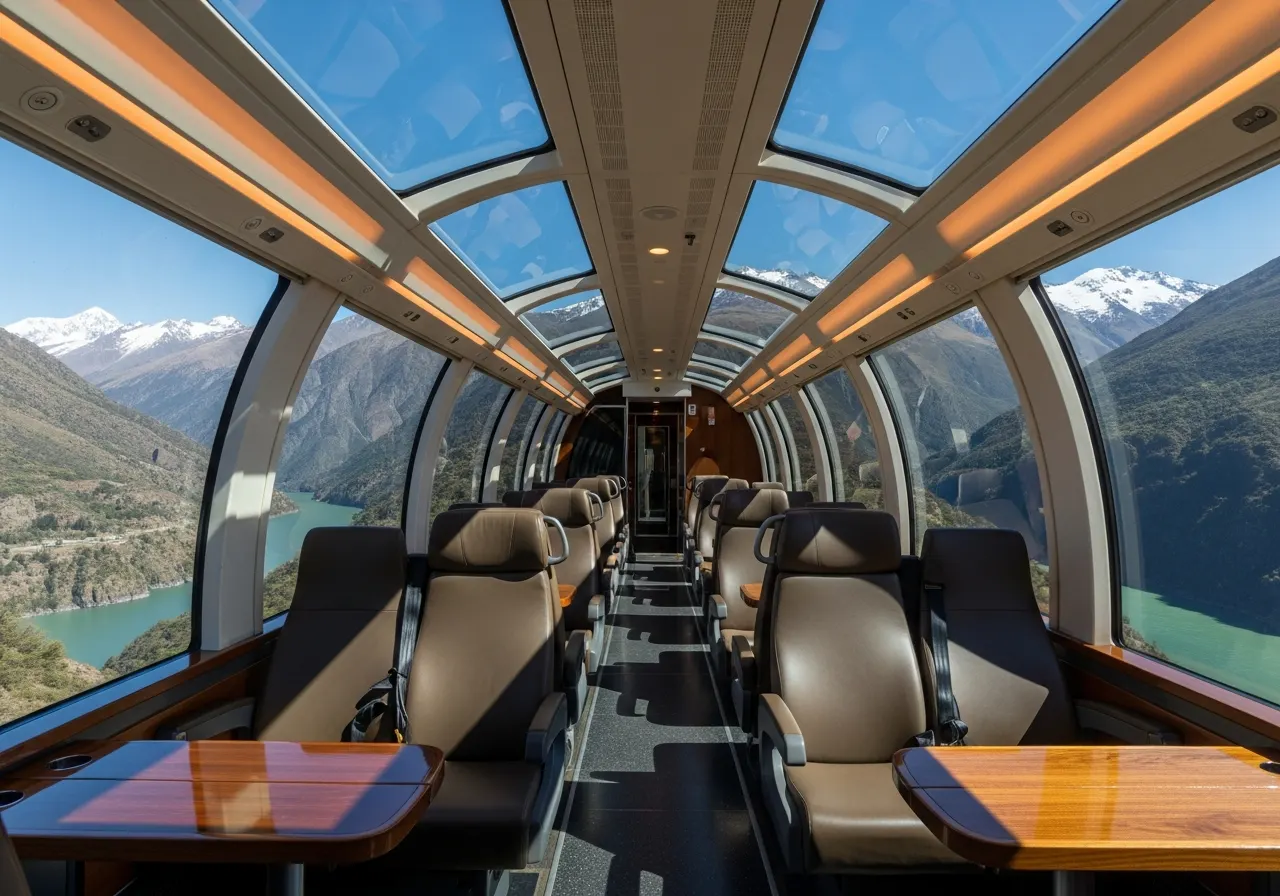 Panoramic
Vistadome Observatory
Big windows, open-air moments, and a lively view.
- Panoramic windows and skylights that keep the canyon in view
- An observatory car designed for the changing scenery along the route
- A spirited choice for travelers who want an immersive, visual ride
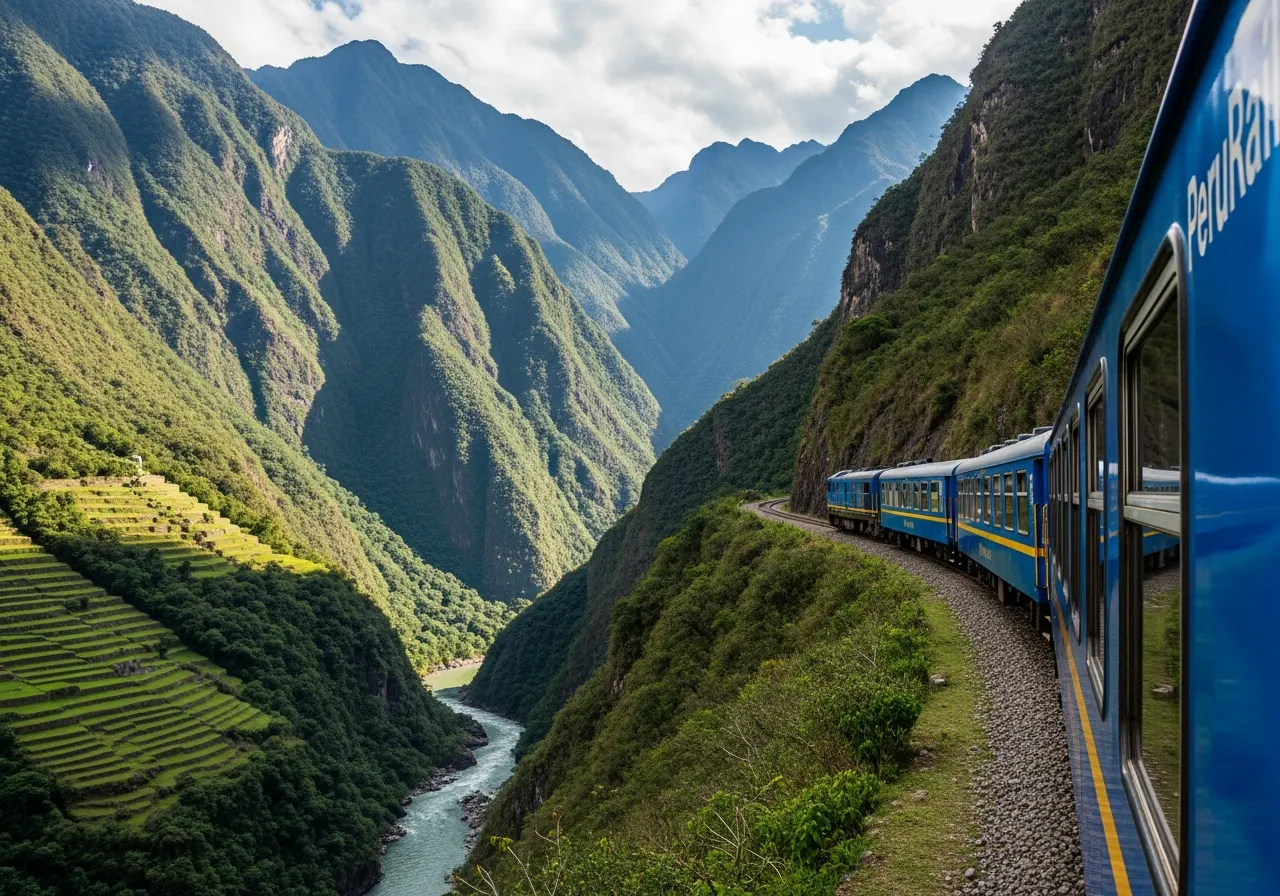 Classic
PeruRail Explorer / Expedition
A relaxed, straightforward way through the valley.
- Comfortable, picture-window seating along the river and mountain route
- A practical rail experience that keeps the focus on the changing landscape
- Ideal for travelers who want a simple, scenic connection to Machu Picchu
Whatever your rail style, the valley outside the window is the main event.
Imagine Peru
Peru stays with you.
It is there in the mountain light, the stonework, the shared table, and the first glimpse around a bend in the trail. The Sacred Valley is a destination to return to in your mind long after you leave.
Imagine Travel — journeys made personal.